
Preservation
Reimagining Existing Buildings for New Purpose and Long-Term Impact
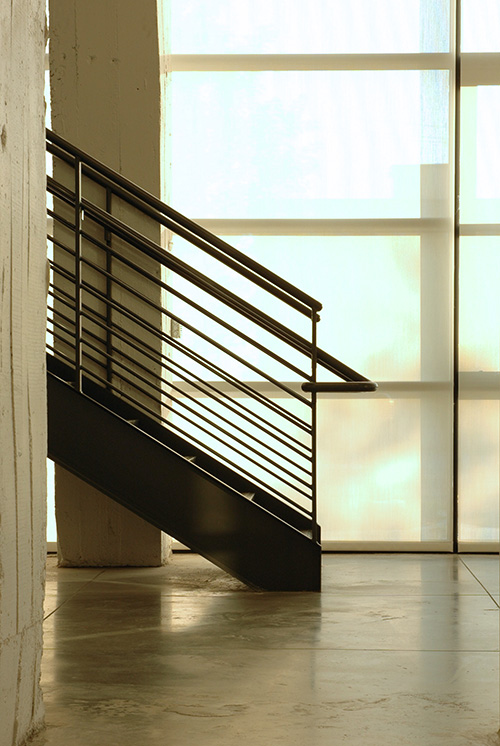
At Narrate, preservation and adaptive reuse are about more than saving old buildings; they’re about carrying stories forward. Existing structures hold history, craftsmanship, identity, and community memory that simply can’t be recreated from the ground up. Through thoughtful preservation, renovation, and adaptive reuse, we help buildings evolve to meet modern needs while maintaining the character that makes them meaningful in the first place.
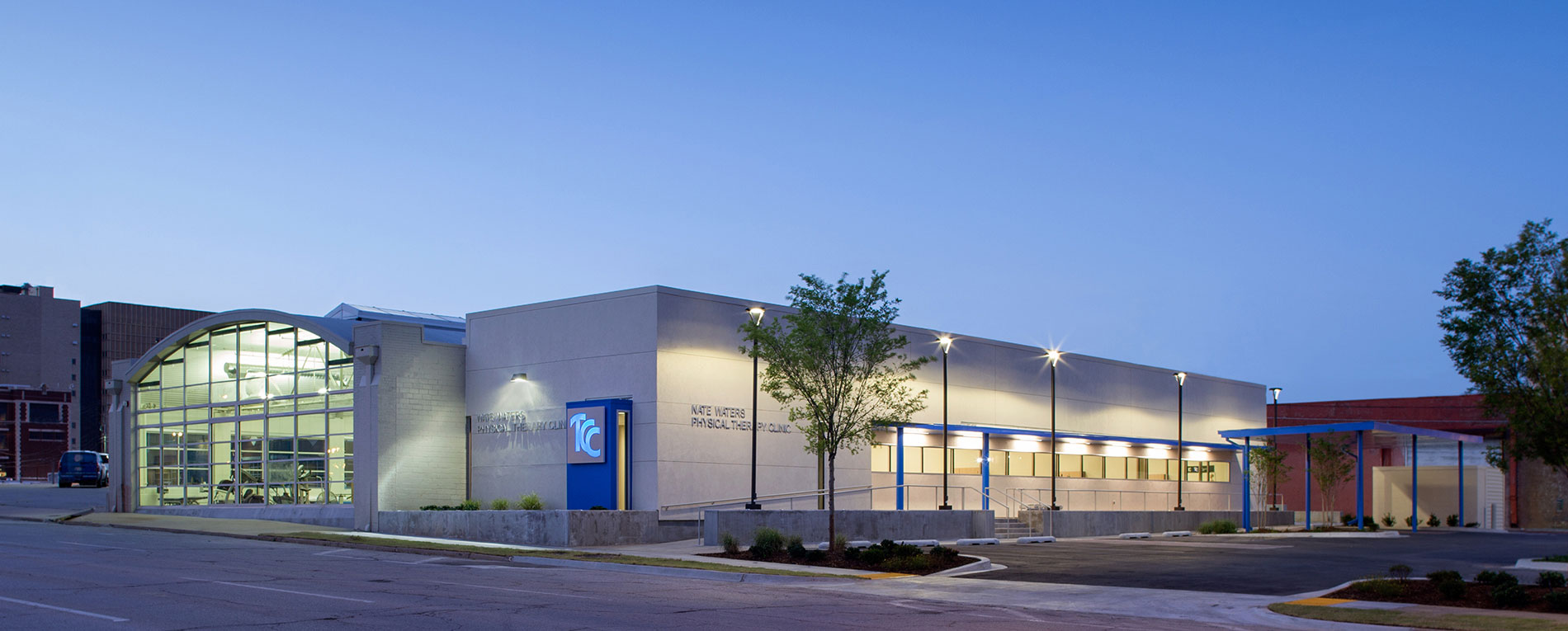
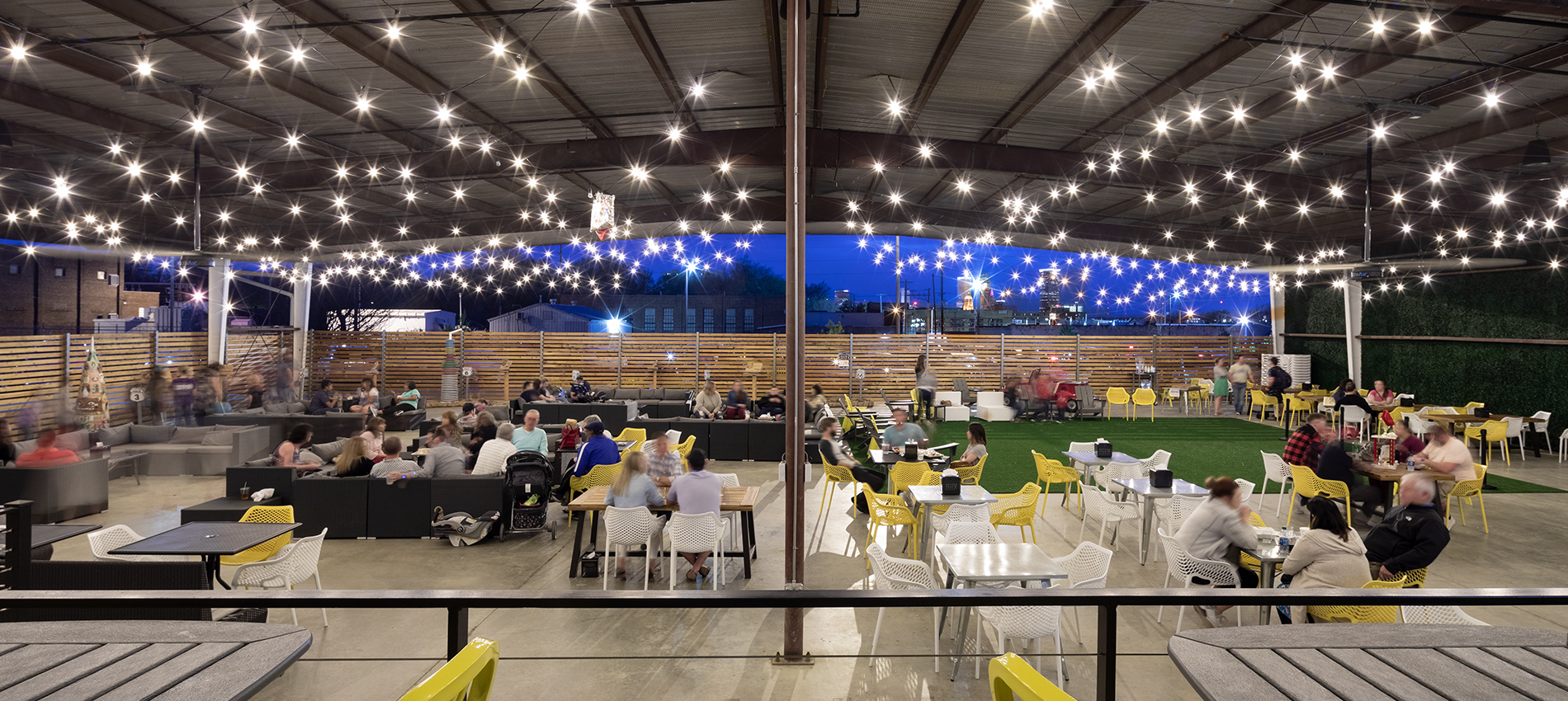
We believe one of the most sustainable things a community can do is reinvest in the buildings it already has. Adaptive reuse extends the life of existing structures, reduces material waste, and strengthens the connection between past and present. From historic warehouses and downtown storefronts to schools, offices, and community landmarks, our work transforms aging buildings into environments that feel relevant, functional, and alive again.
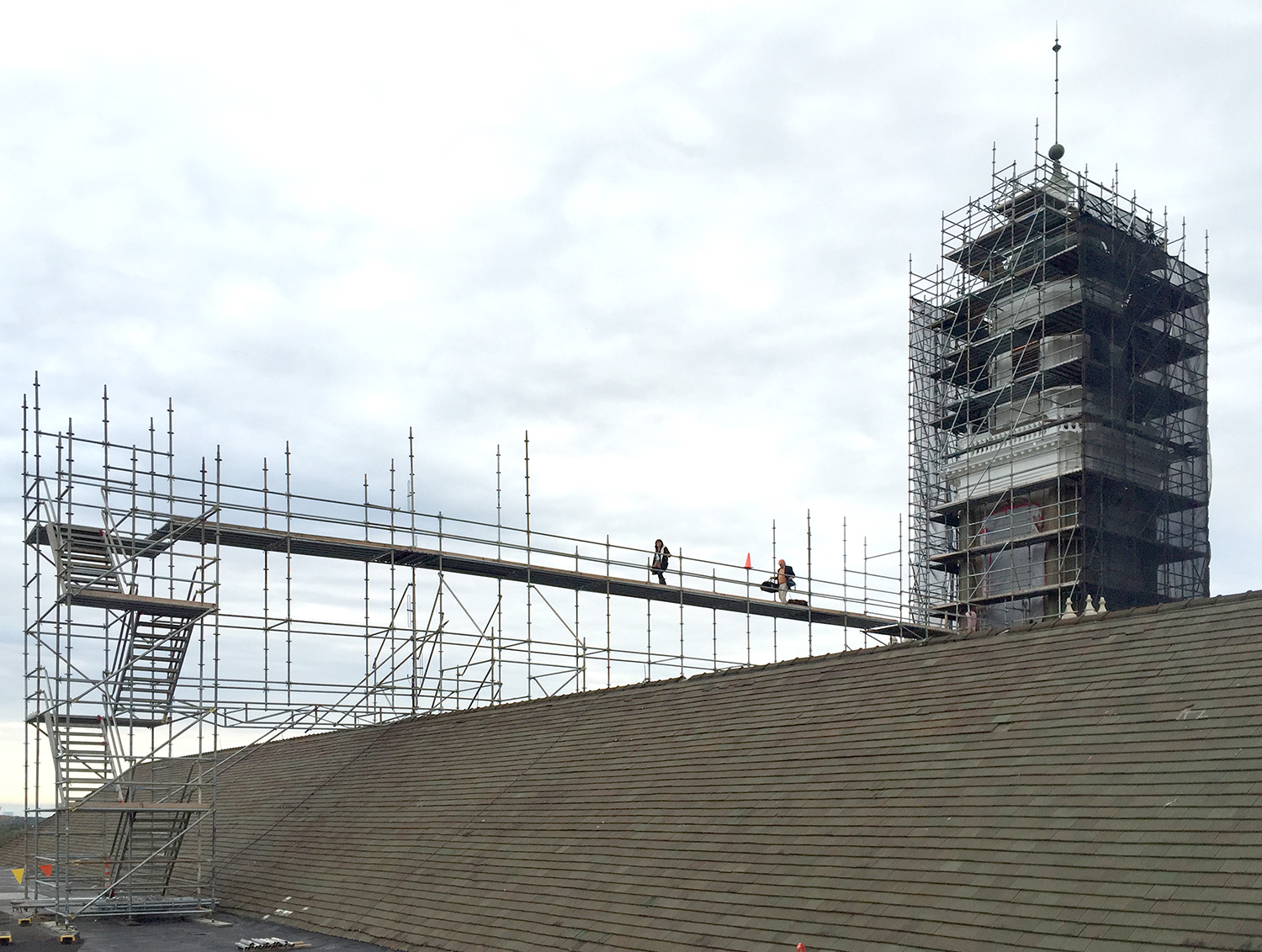
These projects require a careful balance of research, creativity, technical problem-solving, and collaboration. Every historic building presents unique opportunities and constraints, from aging infrastructure and code requirements to preservation standards and funding considerations. Our team works closely with clients, preservation specialists, community stakeholders, and funding partners to navigate those complexities while protecting the integrity of the original structure.
At the same time, adaptive reuse projects should still feel welcoming and useful for the people who occupy them today. We thoughtfully integrate modern systems, accessibility upgrades, energy improvements, and new programming into historic environments without erasing the qualities that make them special.
For us, preservation is not about freezing buildings in time. It’s about giving them another chapter.
FAQ: Historic Preservation and Adaptive Reuse Projects
Q: What types of preservation and adaptive reuse projects does Narrate work on?
A: Narrate works on historic preservation, adaptive reuse, and renovation projects involving warehouses, offices, schools, civic buildings, community spaces, and other existing structures.
Q: What is adaptive reuse architecture?
A: Adaptive reuse involves repurposing existing buildings for new uses while preserving significant architectural character and structural elements.
Q: Why is adaptive reuse considered sustainable?
A: Reusing existing buildings reduces demolition waste, conserves materials, preserves embodied energy, and extends the life of structures already connected to the community.
Q: How does Narrate balance historic preservation with modern needs?
A: We carefully integrate updated systems, accessibility improvements, and new programming while preserving the architectural features and character that define the original building.
Q: Can Narrate help navigate preservation requirements and funding?
A: Yes. Our team regularly collaborates with preservation consultants, community stakeholders, and funding partners to help guide projects through preservation and redevelopment processes.
Q: What makes preservation projects unique?
A: Historic buildings often involve complex conditions, research, code challenges, and technical coordination that require specialized experience and thoughtful problem-solving.